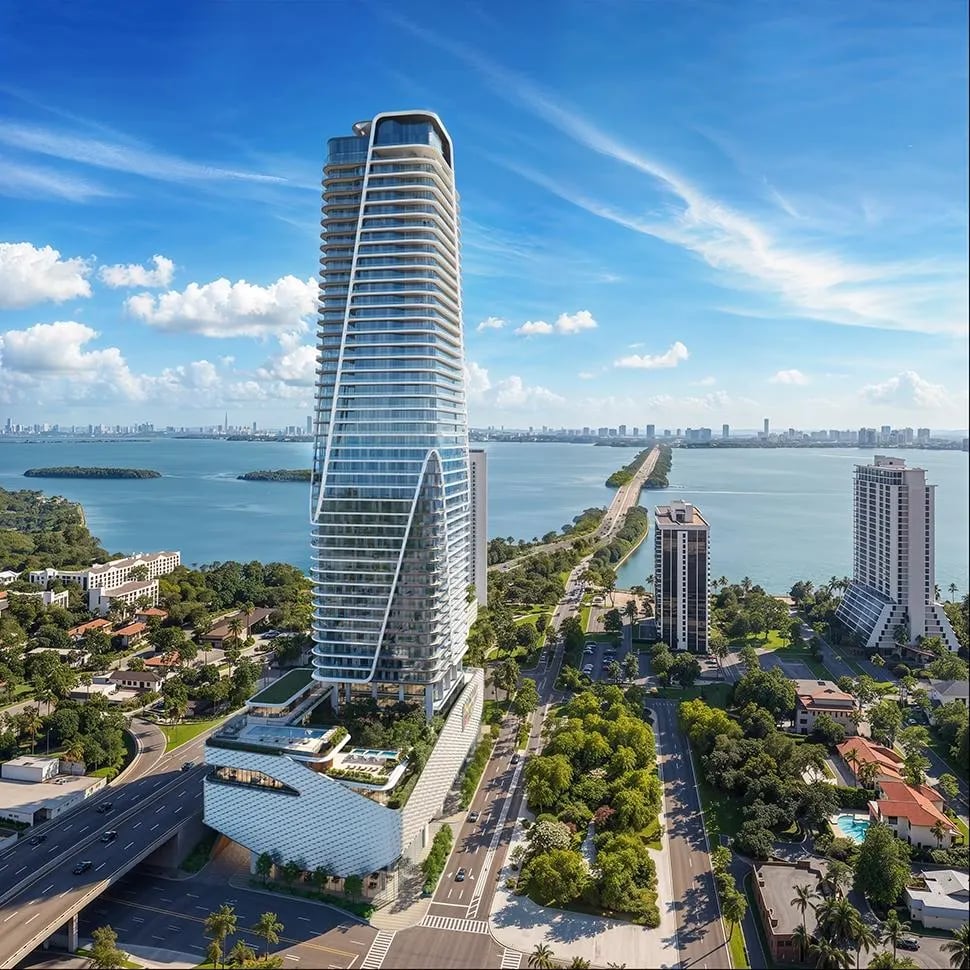
Anantara Miami: A New Entry in the U.S. Branded Residence Market, or a Strategic Shift in Luxury?
A strategic read for investors evaluating Miami's next cycle of branded residences.
Why This Project Warrants Analysis Now
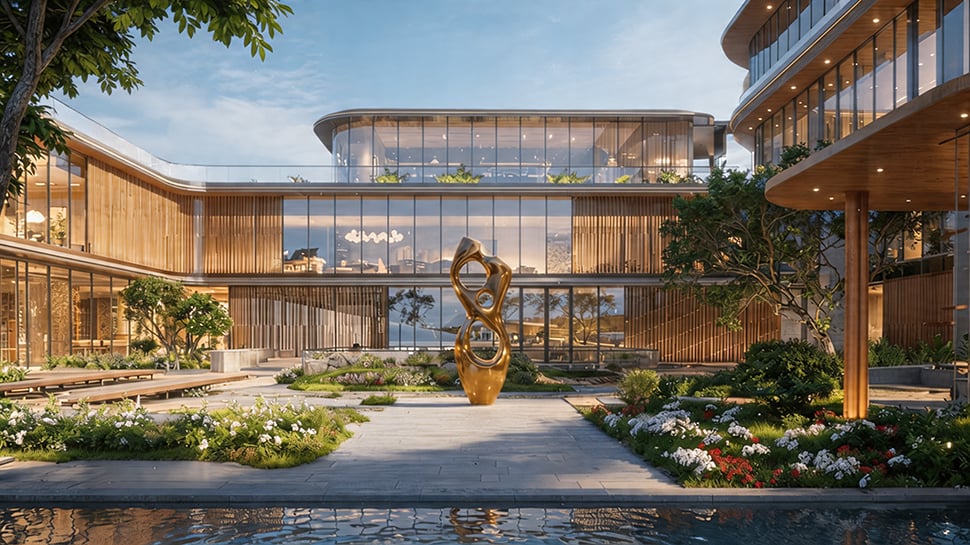
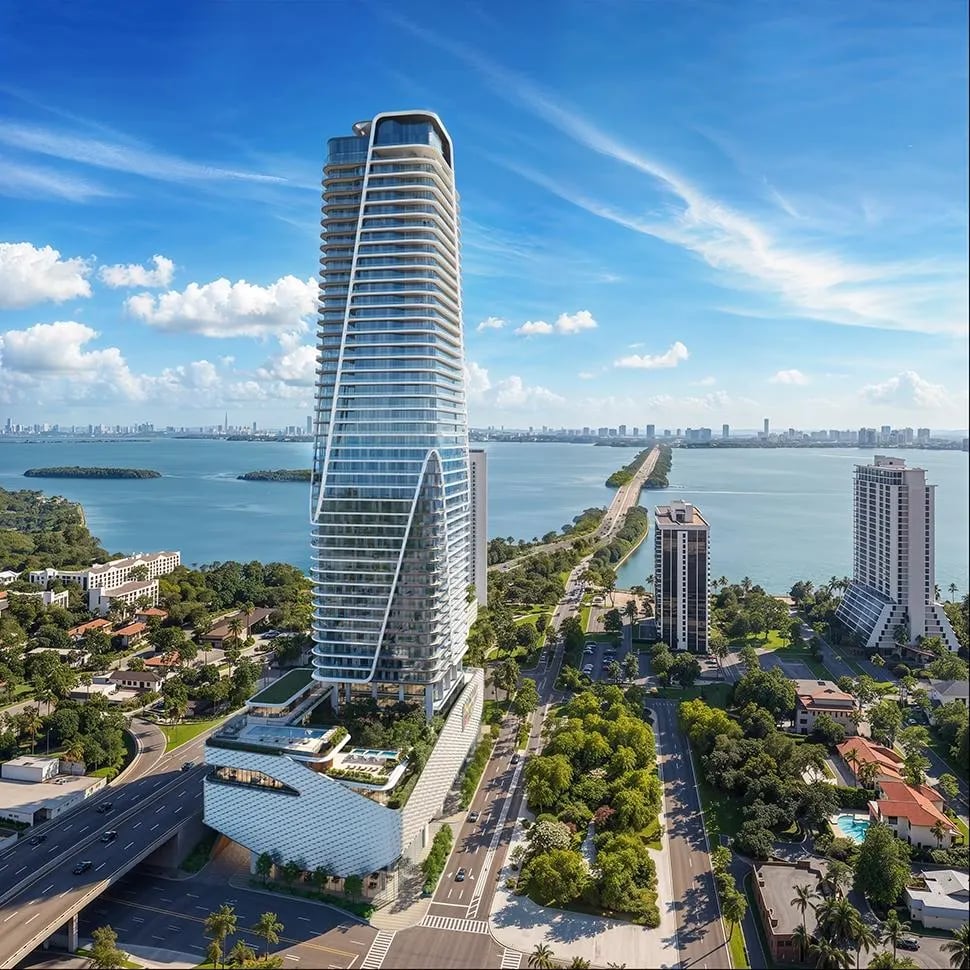
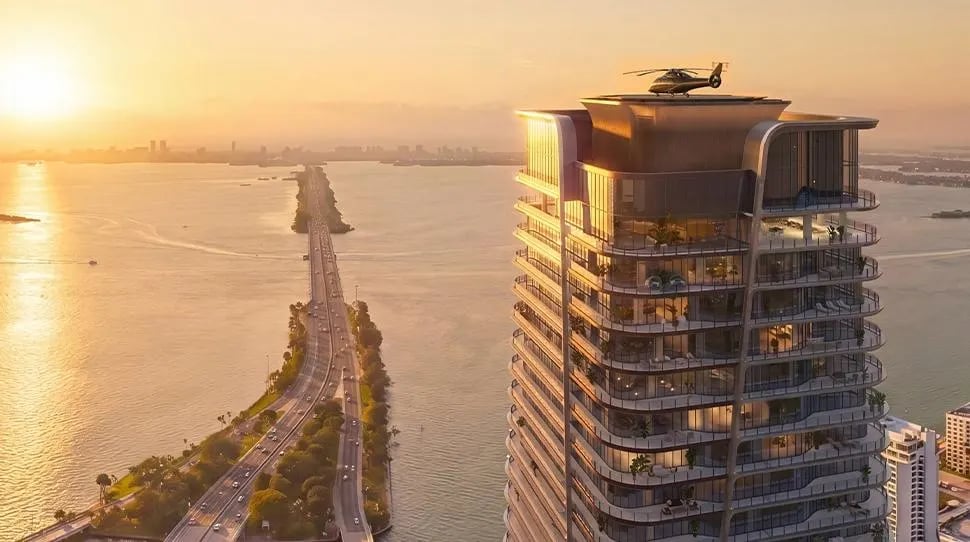
On April 22, 2026, Bangkok-based Minor Hotels and Miami developer One Thousand Group confirmed plans for Anantara Miami Resort and Residences, a 50-story, 650-foot tower at 3601 Biscayne Boulevard in Edgewater. It is the first Anantara property in the United States. The announcement matters for three reasons that are structural rather than promotional.
First, it introduces a new operator into a Miami branded-residence landscape that is already among the deepest in the world. Second, it arrives with a concept design that deliberately blurs the line between private ownership, hotel program, and wellness platform. Third, it reflects where institutional capital sees Miami heading, not where the market is today.
That combination makes it worth a careful read, particularly for investors who allocate across branded residence cycles and who are disciplined about entry basis, operator risk, and submarket differentiation.
Project Overview
The information below reflects what has been publicly confirmed by the developer, the brand owner, and reporting from Breaking Travel News, PROFILEmiami, The Real Deal, Florida YIMBY, and Hotel Management Australia as of April 2026.
Location. 3601 Biscayne Boulevard, Edgewater, Miami. Positioned at the convergence of Edgewater, the Design District, and Wynwood, with uninterrupted northern views over Biscayne Bay.
Scale. 50 stories, rising 650 feet.
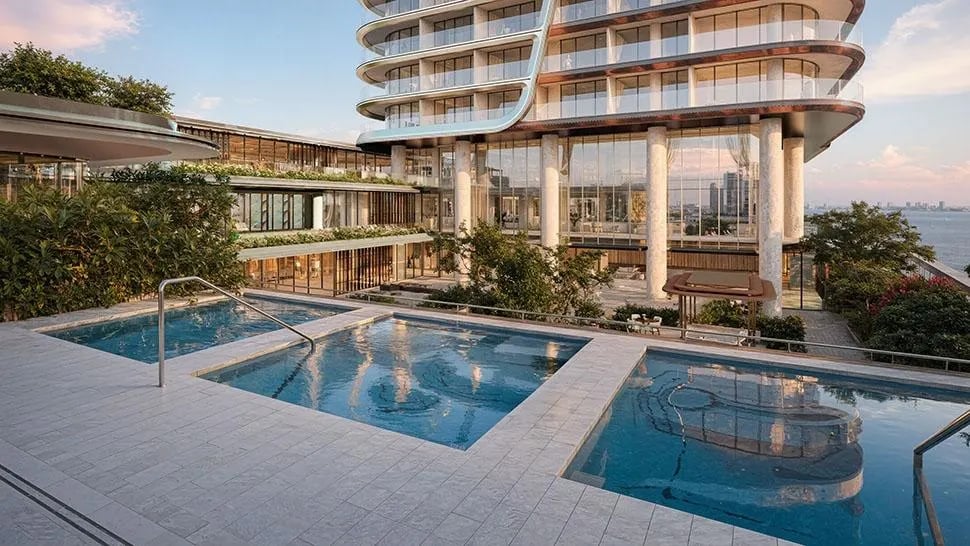
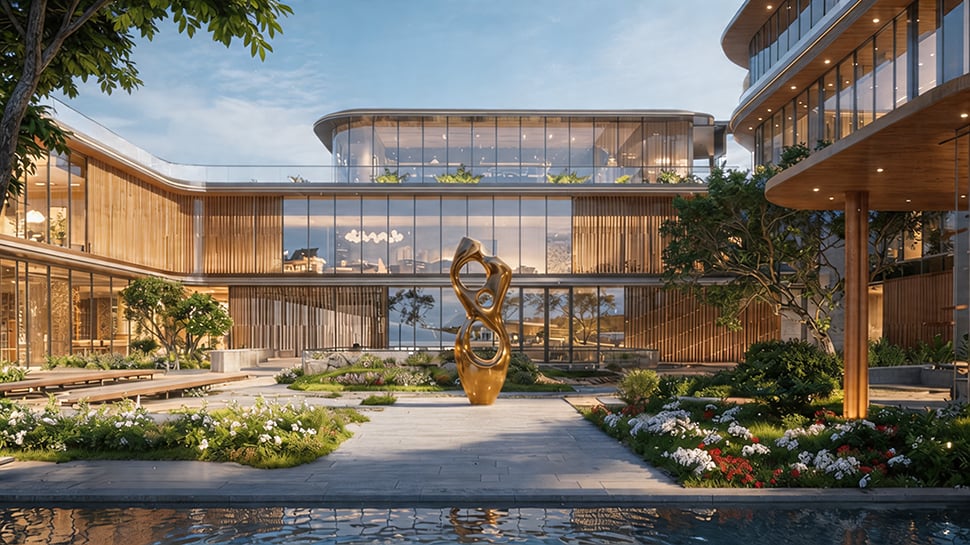
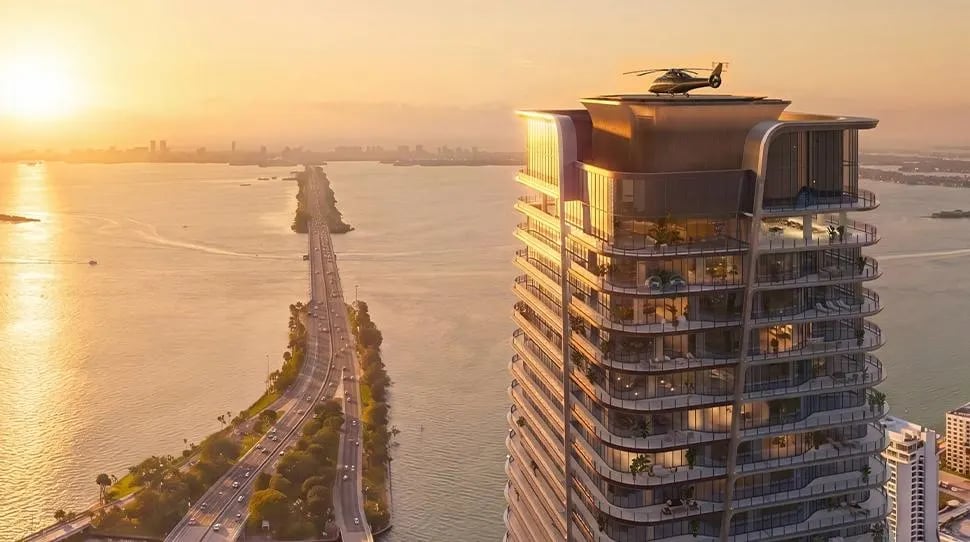
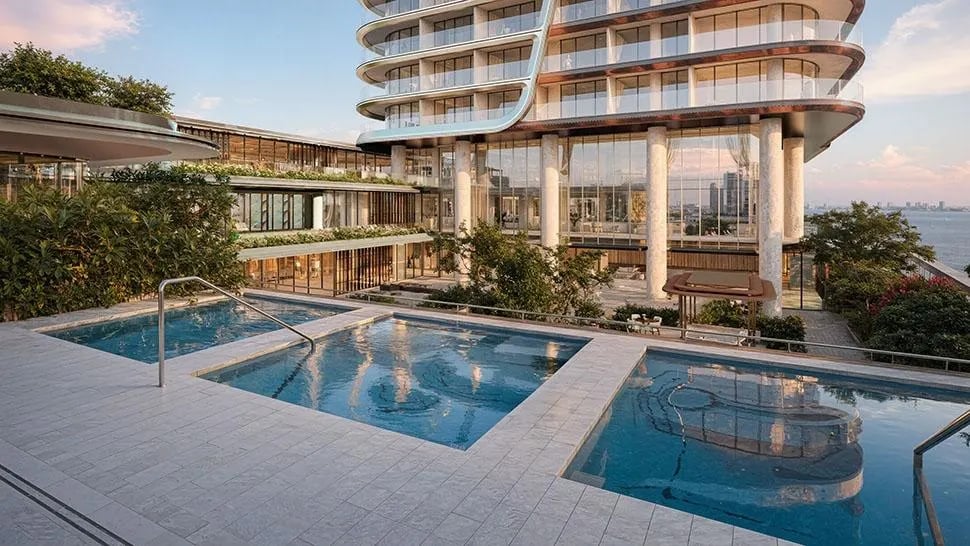
Program. 100 private branded residences, 120 resort residences that owners may opt to place into the hotel rental program, and 50 five-star boutique hotel suites. A private rooftop helipad. A dedicated vitality center focused on movement, nutrition, and recovery, with programming drawn from Thai healing traditions.
Developer. One Thousand Group, the Miami-based firm led by co-founders Kevin Venger, Louis Birdman, and Michael Konig. Prior work includes One Thousand Museum (the final residential tower designed by Zaha Hadid) and Villa Miami, a current project in partnership with Terra and Major Food Group.
Brand and Operator. Anantara, a 25-year-old luxury hospitality brand with more than 50 properties across destinations including the Maldives, Vietnam, Indonesia, Mozambique, Austria, France, Italy, and Spain. The brand is owned by Minor Hotels, the Bangkok-based operator of more than 640 properties across 63 countries, with Minor International as parent company.
Design Team. Architecture by Kohn Pedersen Fox (KPF), in collaboration with ODP Architecture and Design. Interiors by Patricia Urquiola, marking her first residential project in the United States.
Timeline. Sales launch anticipated later in 2026. Expected completion in 2030.
Pricing. Not yet released publicly as of this writing.
What Makes This Different
Most branded residences in Miami are shaped by their operator's hospitality pedigree. Guests know what a St. Regis lobby feels like. They know what a Ritz-Carlton butler does. Anantara is a different proposition because the brand is less established with American buyers, and because the positioning is explicitly organized around something other than hotel service tradition.
Three elements distinguish the concept.
The first is the vitality and longevity framework. The building is designed around a wellness platform combining Thai healing traditions with modern longevity science, anchored by a vitality center programmed for movement, nutrition, and recovery. This aligns with a broader shift in luxury buyer psychology toward measurable health outcomes, not spa aesthetics.
The second is the hybrid ownership structure. The 120 resort residences allow owners to opt their units into the hotel rental program. That structure is not new globally, but it is still underdeveloped in Miami relative to resort destinations like Turks and Caicos or Los Cabos. For investors who want rental participation without the operational burden of private short-term rental management, it is a meaningful feature worth modeling carefully.
The third is the deliberately experiential framing. In the developer's own words, the project is positioned as an integrated lifestyle destination rather than a traditional branded residence. Whether that framing holds up in delivery depends entirely on execution, but the stated intent is to compete on experience density rather than on finishes, views, or name recognition alone.
One additional note for context. In 2025, Anantara's Koh Samui properties served as the setting for the third season of HBO's The White Lotus. That visibility is not an investment thesis, but it meaningfully shortens the brand awareness gap for American buyers encountering Anantara for the first time.
Where This Fits in Miami's Branded Residence Landscape
Miami has become the branded residence capital of the United States. The existing and announced roster includes Four Seasons, Ritz-Carlton, Cipriani, Baccarat, St. Regis, Mandarin Oriental, Waldorf Astoria, Aman, Rosewood, Dolce and Gabbana, Bentley, Porsche, and Nobu, among others. Anantara enters a crowded but rising field.
To evaluate how Anantara differentiates, two comparison points are useful.
The St. Regis Residences, Miami (South Brickell). Developed by Related Group and Integra Investments. 50 stories, approximately 150 residences. Floor plans from 2,600 to 10,000 square feet. Pricing currently from approximately $4.6 million and reaching above $12 million for larger residences, with penthouse and sky villa pricing well above that. Architecture by Robert A. M. Stern. Interiors by Rockwell Group. Completion targeted Q4 2027. Positioning is classical, heritage-driven luxury, with hospitality service as the defining promise.
Waldorf Astoria Residences Miami (Downtown). Developed by PMG and Greybrook. 100 stories, 360 residences. Florida's first supertall tower at 1,049 feet. Architecture by Carlos Ott with Sieger Suarez. Interiors by BAMO. Pricing from approximately $1.1 million for entry units and reaching tens of millions for upper-floor residences. Completion targeted 2027 to 2028. Positioning is landmark verticality and the Waldorf service standard.
How Anantara differentiates. St. Regis and Waldorf Astoria are defined by hospitality heritage, service traditions, and, in Waldorf's case, skyline dominance. Anantara positions on experience programming, wellness infrastructure, and hybrid ownership structure. It is a different thesis, aimed at a different buyer psychology, rather than direct competition on the same axes.
The saturation question. Miami's branded residence inventory has expanded fast enough that some absorption concerns are legitimate. The counterpoint is that Miami's UHNW inflow, family office formation, and continued institutional capital deployment have also accelerated. In practice, the market has so far absorbed significantly more branded supply than most observers predicted two years ago, though this absorption is not evenly distributed across price tiers or operator tiers. Differentiation matters more than ever, which is precisely why the Anantara concept is interesting even in a saturated field.
Location Analysis: Edgewater
Edgewater has historically been defined by single-family homes and mid-rise apartments along Biscayne Bay, set between the higher-density cores of Downtown to the south and the Design District and Wynwood to the west and north. That character is changing quickly.
More than a dozen residential projects are now underway or announced in Edgewater. The submarket has become a focus of institutional capital because it offers three properties that are rare in combination: direct bayfront exposure, proximity to the Design District and Wynwood cultural corridors, and walkable access to Downtown and Midtown employment density.
Anantara's site is positioned to offer unobstructed northern views across Biscayne Bay, with walkable access to the Perez Art Museum, the Phillip and Patricia Frost Museum of Science, and the Adrienne Arsht Center for the Performing Arts. Edgewater's connectivity to the Design District and Wynwood gives the submarket cultural depth that Brickell and Downtown do not replicate, and gives Edgewater a distinct buyer profile. This is not a substitute for South of Fifth or Bal Harbour, but it is a defensible, culturally coherent submarket with institutional momentum.
The reason this matters for an investor is straightforward. Location risk in pre-construction is often a function of whether the broader submarket is still in formation or already priced in. Edgewater is visibly in formation, which argues for upside but also for patience.
Investment Framework
This is the part that matters most. A project is not an investment until its entry basis, its supply context, its exit profile, and its downside are all defensible.
Entry Basis
Pricing has not been publicly released. That is not unusual at this phase, but it changes how the project should be evaluated.
Two observations.
First, in Miami's current branded residence pricing environment, comparable new-construction product in strong submarkets is trading between $1,200 and $2,800 per square foot, with trophy projects reaching significantly higher. Brickell branded residences are clustered around $1,500 to $3,000 per SF. Sunny Isles and Bal Harbour trophy pricing runs higher. Where Anantara Miami prices into that band will define whether it is a disciplined entry or a premium on the brand.
Second, the critical discipline for any pre-construction buyer is entering in the earliest viable tranche and negotiating terms before the price structure hardens. For this specific project, that window will open at sales launch in late 2026.
Supply Constraints, or Lack Thereof
Edgewater's new supply pipeline is substantial. The differentiation argument for Anantara rests on three constraints that work in the project's favor.
The first is the number of private branded residences, which is capped at 100. That is a small pool relative to other branded projects in the market.
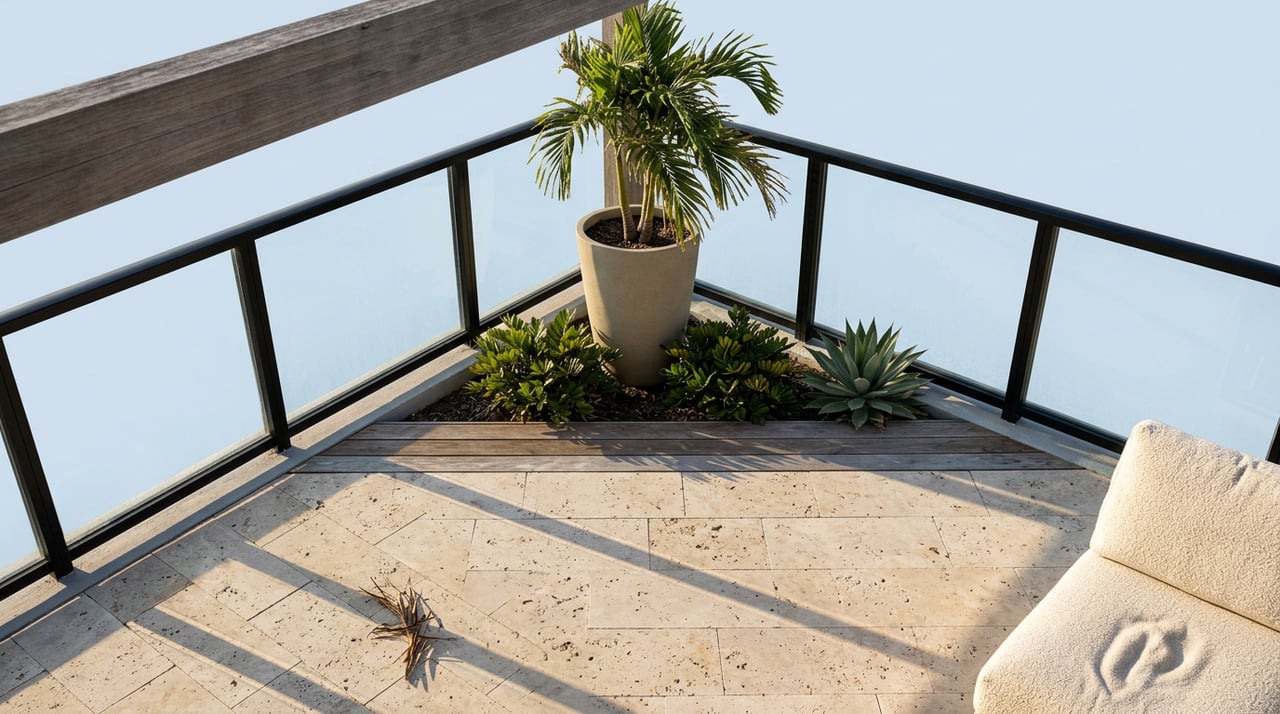
The second is the site position. The project is stated to be the first tower in the area with unobstructed northern views across Biscayne Bay, which is a location characteristic that cannot be replicated by future development.
The third is the concept specificity. The integrated wellness and hybrid ownership platform is not easily copied by the projects already in the Edgewater pipeline. Replication in a future building would require a comparable operator partnership and a comparable design team, both of which take years to assemble.
Exit Buyer Profile
At delivery in 2030, the natural exit buyers for these residences cluster in three groups.
UHNW international buyers, particularly from Latin America, Europe, and Asia, who recognize the Anantara brand and are drawn to the wellness and longevity positioning. Family offices and private wealth structures allocating to trophy-tier Miami real estate for portfolio diversification. Domestic U.S. high-net-worth buyers relocating to Miami for tax and lifestyle reasons, with a preference for experience-led rather than tradition-led luxury.
The exit universe is not as deep as for a St. Regis or Waldorf Astoria residence at delivery, because brand recognition in the U.S. is still building. That is the honest trade-off. It is also the source of the upside, if the Anantara brand establishes U.S. awareness over the five-year development window.
Rental and Income Potential
The 120 resort residences are the more straightforward income play. Owners may opt units into the hotel's rental program, which provides professional operations, brand distribution, and revenue share without the burden of private short-term rental management. For investors who prioritize rental participation, these units warrant focused modeling. The economics depend on revenue split structure, owner usage caps, and brand performance, none of which have been disclosed.
The 100 private branded residences are primarily a capital appreciation and legacy ownership play, not an income product. That should be modeled accordingly.
The Honest Downside
Three risks deserve explicit attention.
Timeline risk. The 2030 completion target means buyers are committing to a five-year development horizon. In that window, macroeconomic conditions, construction costs, and Miami's broader pricing environment can shift materially.
Execution risk. Anantara is a new brand in the U.S. market. The concept is ambitious, and the wellness and hybrid ownership platform must be delivered at the standard the brand promises globally. Soft openings and first-year operations of new-brand-in-market projects often reveal integration gaps.
Macro luxury supply. Miami's $3M-plus condo inventory has grown materially since 2022. While absorption has continued, it is not guaranteed that the pace holds across every operator, every submarket, and every price tier. Anantara's differentiation argument is strong in concept, but the price tier it ultimately occupies will determine how exposed it is to broader luxury supply dynamics.
None of these risks are reasons to avoid the project. They are reasons to evaluate it carefully, at the right entry basis, for the right buyer profile.
Strategic Takeaway
Is Anantara Miami a category-defining project or a well-positioned entrant?
The honest answer is that the potential for both exists, and the outcome depends on execution.
If the developer and brand deliver the integrated vitality and longevity experience as promised, if the hybrid ownership structure works economically for the 120 resort residence owners, and if the entry pricing is disciplined relative to the rest of Miami's branded inventory, the project has a credible path to defining a new category in the U.S. branded residence market.
If any of those three elements underdelivers, the project becomes a well-positioned entrant. That is not a negative outcome, but it is a different investment profile.
The project becomes a strong investment when these conditions hold.
Entry is secured in the earliest pricing tranche, before sales absorption hardens the price structure. The buyer understands this is a five-year development horizon with capital deployment in stages and income beginning only post-delivery. The buyer's strategy is long-term equity positioning, not short-term flip economics. The buyer is comfortable with a brand still establishing U.S. recognition, and with the upside that comes from being early to that recognition curve.
The right buyer for this asset.
Sophisticated investors who already have Miami exposure and are looking for differentiation rather than adding another trophy-tier branded residence to the allocation. Family offices and wealth advisors are seeking wellness-infrastructure-anchored real estate as part of a broader lifestyle portfolio. International UHNW buyers with brand familiarity from Asia or Europe who recognize Anantara's global positioning. Second- or third-home buyers who value experience programming and hybrid ownership flexibility above heritage hospitality service.
This is not a project for buyers seeking instant rental yield, immediate liquidity, or an established U.S. brand. It is a project for buyers with a five-plus-year horizon who are positioning deliberately into a concept and a submarket that are both in early formation.
A Note on Advisory Discipline
Investors evaluating Miami's next cycle of branded residences should prioritize three things above all else. Entry basis. Operator strength. Long-term differentiation. Those three variables, modeled honestly, will drive outcome. Every other consideration is secondary.
If you are assessing Anantara Miami within a broader portfolio strategy, or if you are evaluating how this opportunity compares to other current pre-construction positions in Miami, a structured evaluation is essential. Not a pitch. A genuine read on whether this project fits the strategy you are building, or whether a different allocation serves you better.
That is the conversation I prefer to have.
Contact and Resources
Private Strategy Session. A 30-minute structured review of your position. Book Your Private Session with Katerina
Pre-Construction Consultation. Focused review of Anantara Miami and other current Miami pre-construction opportunities. Book your Private Presentation Nobu Miami
WEBSITE. LinkedIn. SOCIAL LINKS (All Resources)
About the Author
Katerina Bucciarelli is Broker-Owner of Innovatio Realty Group, licensed in Florida, New York, and New Jersey. Civil engineer (UNIMET, Magna Cum Laude) with advanced credentials from NYU in Real Estate Development and Finance. Over eighteen years advising investors, family offices, and international buyers on Miami luxury and pre-construction real estate. Designations include CRS (top five percent nationwide), SRS, RENE, E-PRO, and Luxury Marketing Specialist. Trilingual in English, Spanish, and Italian. Through Innovatio Realty Group and its construction partner OKABREMA CORP, Katerina offers a one-stop platform spanning sourcing, acquisition, renovation, staging, marketing, and resale.
Sources
All project facts verified against primary reporting from Breaking Travel News, PROFILEmiami, The Real Deal, Florida YIMBY, Hotel Management Australia, Luxury Travel Advisor, Boutique Hotel News, OFTMW, and Minor Hotels corporate communications, as of April 2026. Comparative pricing and project data for St. Regis Residences Miami and Waldorf Astoria Residences Miami sourced from publicly listed pre-construction data and developer disclosures as of Q1 2026.
Disclosures. All pricing and availability are set by the respective developers and are subject to change per Florida Statute 718.503. Pricing references are current at time of writing and subject to tranche availability. This article is analytical commentary, not an offer to sell or a solicitation to buy where prohibited, and is not tax or legal advice. Independent due diligence and qualified tax and legal counsel are recommended.