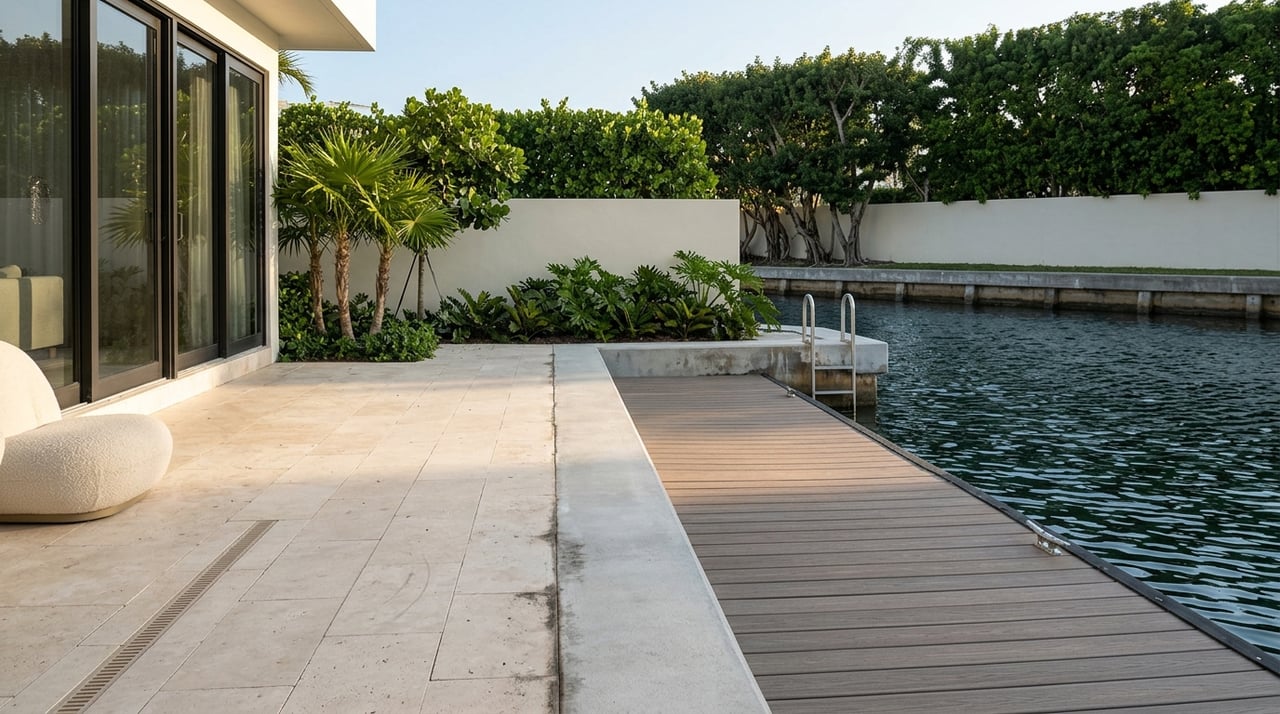
If you are searching for a waterfront home in Key Biscayne, the view alone should not make the decision for you. On this island, the right fit often comes down to how you actually want to live, boat, relax, and plan for storm season. When you understand how Key Biscayne’s different waterfront settings shape daily life, you can narrow your search with more confidence. Let’s dive in.
Key Biscayne Waterfront Living
Key Biscayne offers two very different water experiences. The island sits between the Atlantic Ocean on the east and Biscayne Bay on the west, which means waterfront buyers are often choosing between distinct views, boating patterns, and day-to-day rhythms. The layout of places like Crandon Park and its beach amenities makes that east-west split easy to see.
That difference matters because the best home for you may not be the one with the most dramatic photos. It may be the one that best matches your routine, whether that means launching a boat with ease, walking or biking to the beach, or prioritizing a more sheltered setting.
Match the Home to Your Lifestyle
Canal-Front Homes
A canal-front home often works well if you want a more private, residential feel with the convenience of keeping a boat close at hand. These homes can suit buyers who expect to use a dock regularly and prefer a tucked-away setting over broad open-water exposure.
With canal-front property, the biggest question is not just whether there is a dock. You also want to know whether the dock, seawall, riprap, or other shoreline improvements were properly permitted and maintained. According to the Florida Department of Environmental Protection’s guidance for waterfront construction, shoreline work can require state and local authorization.
Wide-Bay Homes
Wide-bay homes usually appeal to buyers who want open views and a stronger connection to the water itself. If your ideal morning includes sweeping bay vistas and a more expansive waterfront setting, this category may be the most compelling.
That said, open-water exposure should be weighed alongside storm planning and maintenance. The Village of Key Biscayne states that the area is in a Special Flood Hazard Area and Evacuation Zone A, and Miami-Dade notes that coastal VE zones include added storm-wave hazards. You can review those flood and emergency planning details in the Village’s annual hurricane and flood guide.
Marina-Adjacent Homes
A marina-adjacent home can be a smart fit if you enjoy boating but do not want the full responsibility of maintaining private shoreline infrastructure. This option often works well for buyers who care more about access, service, and slip convenience than having a dock directly behind the house.
On Key Biscayne, both marina options add useful context. The Key Biscayne Yacht Club marina lists 98 wet slips, 39 dry slips, fuel, courtesy docks, and transient berthing rules, while Crandon Marina offers wet slips, boat ramps, fuel, pump-out services, and dockside depths ranging from 5 to 12 feet with a 6-foot approach depth. If your boat size, draft, or service needs are specific, marina compatibility should be part of your home search from the start.
Beach-Proximate Homes
If your idea of waterfront living is more about sand, biking, swimming, and easy access to the shoreline, a beach-proximate home may be the best match. This category often appeals to buyers who want the Key Biscayne outdoor lifestyle without making at-home dockage the center of the decision.
The island’s parks support that type of routine well. Crandon Park offers lagoon-style beach access on the Atlantic side, while Bill Baggs Cape Florida State Park adds Atlantic beach access, Biscayne Bay views, bike paths, and No Name Harbor boating access. For many buyers, that combination creates a strong lifestyle value even without a private dock.
What to Evaluate Beyond the View
Flood Risk and Insurance
In Key Biscayne, flood risk is not a side issue. The Village says the island is in a Special Flood Hazard Area and has experienced substantial flooding, so buyers should ask early about the flood-zone designation, base flood elevation, drainage history, and whether an elevation certificate is available.
The Village also notes that this information may be requested directly, which can make your due diligence much more informed. Its flood preparedness guide also explains that flood insurance is required for federally backed mortgages in Special Flood Hazard Areas and that policies typically have a 30-day waiting period before coverage begins.
Access and Evacuation Planning
Lifestyle on Key Biscayne also includes a practical reality: the Rickenbacker Causeway is the island’s only ingress and egress route. For full-time residents, second-home owners, and seasonal users, that should influence how you think about convenience, timing, and emergency planning.
This does not mean waterfront ownership is less attractive. It simply means access and evacuation timing should be part of the conversation before you buy, especially if you plan to use the home seasonally or keep a boat on the island.
Docks, Depth, and Boat Fit
If boating is central to your lifestyle, ask practical questions before making an offer. A beautiful waterfront lot may still be the wrong fit if the depth, turning room, or dock setup does not match the boat you own now or plan to own later.
It helps to ask about vessel length, draft, and actual water depth at the property. Public marina information from Crandon Marina and the Key Biscayne Yacht Club marina shows how important vessel-size fit can be, and the same logic applies to private waterfront homes.
Seawalls and Shoreline Improvements
Waterfront ownership also means evaluating the condition and history of shoreline structures. If a property has a seawall, dock, lift, or riprap, ask for permits, repair records, and any available contractor or engineer documentation.
This matters because shoreline work is regulated. The Florida DEP guidance explains that docks, seawalls, riprap, and related work may require authorization, and Miami-Dade requires permits for work in tidal waters or coastal wetlands. Permit history is not just paperwork. It is a core part of understanding future risk and maintenance.
Questions to Ask Yourself First
Before you focus on lot lines and water views, it helps to answer a few personal lifestyle questions.
Are You Really Buying for Boat Days?
If your boat will leave the dock often, and especially if it is larger than a small runabout, boating access should carry real weight in your search. In that case, deeper-water access or marina convenience may matter more than a visually appealing canal.
If boating is more occasional, your priorities may shift. You may decide that outdoor entertaining, privacy, or beach access matters more than dock specifications.
Are You Prioritizing Beach Time?
Some buyers picture waterfront life and really mean easy beach mornings, bike rides, and park access. If that sounds like you, homes near Crandon Park or Bill Baggs may align more closely with how you will spend your time.
That is an important distinction because not every waterfront setting delivers the same daily experience. In Key Biscayne, beach-oriented living and boat-oriented living can overlap, but they do not always carry equal value in the same property.
What Level of Exposure Feels Acceptable?
A strong view can be exciting, but your comfort with maintenance, insurance, and storm planning matters just as much. In a high-risk coastal setting, the right property is often the one that aligns with your tolerance for exposure, not simply the one with the boldest waterfront presentation.
That is especially true in a location where flood-zone details, shoreline condition, and evacuation logistics are part of the ownership equation. A smart purchase balances beauty with practicality.
How a Strategic Search Helps
In a market like Key Biscayne, waterfront home selection benefits from more than a simple list of available properties. It helps to evaluate each option through a lifestyle lens and a technical one, especially when flood data, shoreline permitting, and dock functionality can materially affect long-term enjoyment.
That is where a more advisory approach can add value. When you look at each home in terms of how you plan to use it, what level of maintenance feels reasonable, and what risks are acceptable, you are more likely to make a decision that still feels right years from now.
Whether you are searching for a second home, a primary residence, or a strategic waterfront purchase, the best outcome usually comes from pairing your lifestyle goals with careful due diligence. If you want a tailored, high-touch perspective on Key Biscayne waterfront opportunities, connect with Katerina Bucciarelli for a private real estate strategy session.
FAQs
What makes Key Biscayne waterfront homes different from other Miami-Dade waterfront options?
- Key Biscayne offers both Atlantic-facing and Biscayne Bay-oriented waterfront living, and the island has only one access route via the Rickenbacker Causeway, which makes lifestyle, boating patterns, and storm planning especially important.
What should you check before buying a Key Biscayne waterfront home?
- You should verify the property’s flood-zone designation, base flood elevation, elevation certificate status, drainage history, insurance implications, and any permit records for docks, seawalls, or shoreline improvements.
What type of Key Biscayne waterfront home is best for boat owners?
- Buyers focused on regular boating often look closely at canal-front, wide-bay, or marina-adjacent options, depending on vessel size, water depth, turning room, and whether they want private dockage or marina services.
What type of Key Biscayne waterfront home is best for beach-focused buyers?
- Buyers who care more about swimming, biking, and shoreline access than dockage often prefer homes with convenient access to Crandon Park or Bill Baggs Cape Florida State Park.
Why do flood and evacuation details matter in Key Biscayne home searches?
- The Village states that Key Biscayne is in a Special Flood Hazard Area and Evacuation Zone A, so flood risk, insurance timing, and storm evacuation planning should be part of your decision before you buy.