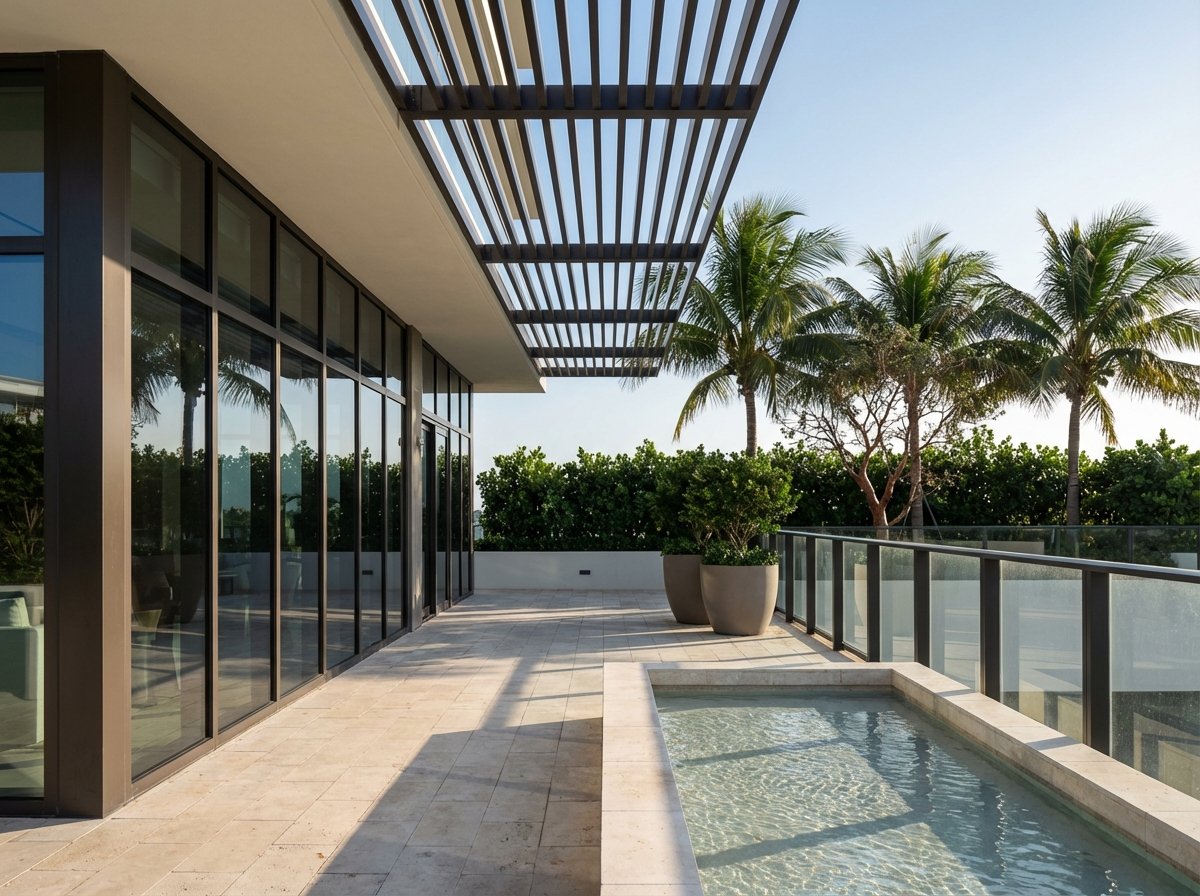
Sunrise over the Atlantic, sand at your doorstep, and a skyline view from your terrace can be hard to resist. Still, the smartest Miami Beach condo buyers look beyond the view to the building behind it. You want confidence that the association is well funded, the structure is sound, and the insurance and flood plans are realistic. This guide gives you a clear, step-by-step way to vet an oceanfront condo so you can buy with eyes open and fewer surprises. Let’s dive in.
Miami Beach rules that shape costs
Florida and Miami-Dade changed the way condos are inspected and funded after Surfside. You should expect more frequent inspections, stricter reserve funding, and clearer disclosures to owners.
Milestone inspections and SIRS
Florida created milestone structural inspections for buildings 3 stories or higher and requires a Structural Integrity Reserve Study, often called a SIRS. Coastal buildings have accelerated timelines. The state’s special session summary explains how these rules came to life and why they now drive reserve funding and repair schedules for associations. Review the background in the Florida Senate’s summary of the 2022 reforms and the specific SIRS requirements in Florida Statutes 718.112.
Miami-Dade recertification timeline
Miami-Dade runs a separate recertification program with firm deadlines. Many coastal buildings face earlier triggers and 10-year follow-ups. Before you write an offer, check whether the building has an open recertification or a recent milestone report on file with the county’s recertification program.
Start with the association’s finances
A strong oceanfront building shows its strength on paper. Ask for the latest budget, 2 to 3 years of financials, the most recent reserve study and SIRS, and the last 12 months of board minutes. Florida law requires SIRS for covered buildings and prescribes how and when owners receive these reports, so use Section 718.112 to guide your requests.
Look for recent or planned special assessments, any waivers of reserves for structural items, high delinquency rates, or material litigation. These issues can raise your monthly dues or force near-term assessments. Lenders also review building health, so weak reserves or big unfunded repairs can block financing. See how project standards affect loans in Fannie Mae’s condo project review guidance.
Verify structure and systems
Ask for milestone and recertification reports, any façade or balcony inspection summaries, elevator reports, and roofing and waterproofing records. If a milestone Phase 1 recommended Phase 2 invasive testing, treat that as a key negotiation point until scope and funding are clear. Miami-Dade provides program details and timelines on its recertification page.
Hire a Florida-licensed structural engineer with coastal experience to review the reports and walk the building. Ocean air and salt accelerate chloride penetration and rebar corrosion in concrete, which can lead to spalling and balcony problems. For context on how engineers evaluate marine concrete, review ACI guidance on corrosion in ACI 222R.
Flood, elevation, and sea-level risk
Flood and storm surge risk are material in Miami Beach and vary by parcel. Use the NOAA Sea Level Rise Viewer to see how different scenarios could affect a property. Ask for any Elevation Certificate or Letter of Map Amendment that applies to the building.
Confirm whether the association carries a master flood policy under the NFIP’s Residential Condominium Building Association Policy, known as RCBAP. NFIP policies have coverage limits and coinsurance rules that affect how much is paid after a loss. Learn how RCBAP works in FEMA’s RCBAP glossary entry, then ask whether the association buys private or excess flood coverage beyond NFIP limits.
Insurance and hurricane deductibles
Florida hurricane and wind policies commonly use percentage deductibles, not flat dollar amounts. A 2 to 5 percent deductible on a high-value tower can equal millions of dollars. If reserves are thin and there is no deductible buy-down, owners can face large assessments after a named storm. Review the governing rules in Florida Statute 627.701.
Request the association’s insurance declarations page to see policy limits, per-claim and annual hurricane deductibles, and whether the coverage form is all-in or bare-walls. Then get quotes for your unit policy, including loss assessment coverage, through a Florida condo-savvy broker. For consumer basics on association and condo insurance in the state, visit Citizens Property Insurance.
Here is a simple scale check. If a building’s insured value is 50 million dollars and the hurricane deductible is 3 percent, the association’s deductible is 1.5 million dollars. In a 100-unit building, that could equal 15,000 dollars per unit if split evenly before reserves or other offsets, although actual allocation follows the declaration.
Amenities and maintainability
Ask where the chiller plants, generators, electrical rooms, and other mechanicals sit relative to the base flood elevation. Ground-level or below-grade systems face higher flood and salt exposure and can extend displacement time after a storm. Request the seawall or shoreline management plan and who is responsible for repairs.
Also confirm how parking is configured and protected. Garages at or below grade can require pumps, membranes, and regular waterproofing. For flood coverage and typical exclusions that affect these components, use FEMA’s RCBAP basics as a starting point and verify details in the master policy.
Leasing and short-term rentals
Rules vary by building and by city. Before you rely on rental income, verify the association’s leasing policy, minimum lease terms, and approval steps. Then confirm whether short-term rentals trigger state or local public lodging requirements, which can include licensing and safety checks for transient use. To understand state-level forms and requirements for public lodging, review the Florida DBPR’s hotels and restaurants forms and publications.
Financing and resale impact
Even if you plan to pay cash, the building’s warrantability affects liquidity and resale. Many lenders and the GSEs review project reserves, special assessments, litigation, investor concentration, and commercial use. Projects with unfunded critical repairs or low reserves can lose access to standard agency loans, which reduces the buyer pool and can pressure pricing. See the current criteria in Fannie Mae’s condo project guidance.
New construction vs. established luxury
Newer towers usually come with modern wind and flood design, impact glazing, and in many cases, better placement of mechanicals above flood levels. You may benefit from developer warranties and up-to-date materials. Early in a building’s life though, the developer may still control the association, and reserves can be light until turnover, so review turnover inspection and warranty reports under Section 718.112.
Established luxury buildings offer a longer track record. Well-managed associations may have strong reserves and clear policies. At the same time, older coastal concrete can bring waterproofing and balcony repairs, and new SIRS rules can accelerate projects and assessments. Ask targeted questions about timelines and funding plans so you price risk correctly.
Step-by-step buyer checklist
Pre-offer research
- Check FEMA flood maps, then use the NOAA Sea Level Rise Viewer to understand parcel-level scenarios.
- Confirm whether the building is in a Miami-Dade recertification or a statewide milestone cycle, and request the latest reports from the county program.
- Ask for the association’s budget, last 2 to 3 years of financials, reserve study and SIRS, insurance declarations, 12 months of minutes, and a litigation summary. Florida law in Section 718.112 outlines many of these records and timelines.
During inspections and contingencies
- Order a unit inspection and hire a Florida coastal structural engineer to review visible concrete, balconies, waterproofing, pool decks and drains, garage intrusion, and roof. For context on marine concrete, see ACI 222R.
- Have a Florida condo attorney review the declaration and bylaws for assessment allocation, emergency assessments, developer rights, and rental rules.
- Review the master insurance policy for hurricane deductible percent, coverage form, coinsurance, and flood limits. Obtain HO-6 and any private flood or excess quotes and confirm loss assessment coverage. For Florida-specific consumer basics, check Citizens Property Insurance.
- Confirm with your lender whether the project meets agency standards or sits on any prohibited list. If not, line up portfolio or jumbo options per Fannie Mae’s project review framework.
At and after closing
- Keep copies of all official records you received, including SIRS and milestone documents, and note the next 10-year recertification date per Section 718.112.
- If a major repair is planned, confirm how it will be funded, whether by reserves, a loan, or a special assessment, and what that means for your timeline.
Red flags to watch
- A milestone Phase 1 that requires Phase 2 or identifies substantial structural deterioration without a funded plan in place. See Section 718.112 for SIRS and reporting context.
- A percentage-based hurricane deductible with minimal reserves or no buy-down, which can create large post-storm assessments. Review Florida Statute 627.701.
- Large or repeated special assessments used for one-off repairs instead of planned reserve projects, a sign of chronic underfunding.
- Mechanical systems or parking located below expected flood elevations, which increases repair costs and downtime. Confirm flood coverage and limits under the association’s RCBAP, guided by FEMA’s RCBAP overview.
- Pending structural litigation or evacuation orders that may block traditional financing and reduce the buyer pool.
Your next step
You can own the oceanfront lifestyle and protect your investment with the right due diligence. If you want a calm, data-driven process that weighs reserves, inspections, flood exposure, and insurance before you bid, our team can help you source, verify, and negotiate with confidence. Schedule a private Real Estate Strategy Session with Katerina Bucciarelli to get a clear plan for your Miami Beach oceanfront purchase.
FAQs
What is a Structural Integrity Reserve Study in Florida condos?
- A SIRS is a legally required study for buildings 3 stories or higher that estimates remaining useful life and replacement costs for structural systems, guiding mandatory reserve funding under Section 718.112.
How do hurricane deductibles work for Miami Beach condo associations?
- Many master wind policies use a percentage deductible, often 2 to 5 percent of insured value, which can translate to large owner assessments after a named storm per Florida Statute 627.701.
Why does RCBAP flood insurance matter for my building?
- The NFIP’s Residential Condominium Building Association Policy provides master flood coverage with set limits and coinsurance rules, so adequacy affects out-of-pocket risk after a flood; see FEMA’s RCBAP glossary.
Are short-term rentals allowed in Miami Beach oceanfront condos?
- Policies vary by building and local ordinance, and some uses require state public-lodging steps, so verify the association’s leasing rules and review the Florida DBPR’s public-lodging resources.
How do lender project reviews affect my ability to finance?
- Lenders and GSEs review reserves, repairs, litigation, and more, so non-warrantable projects may require cash or portfolio loans, which can affect pricing and resale; see Fannie Mae’s project guidance.