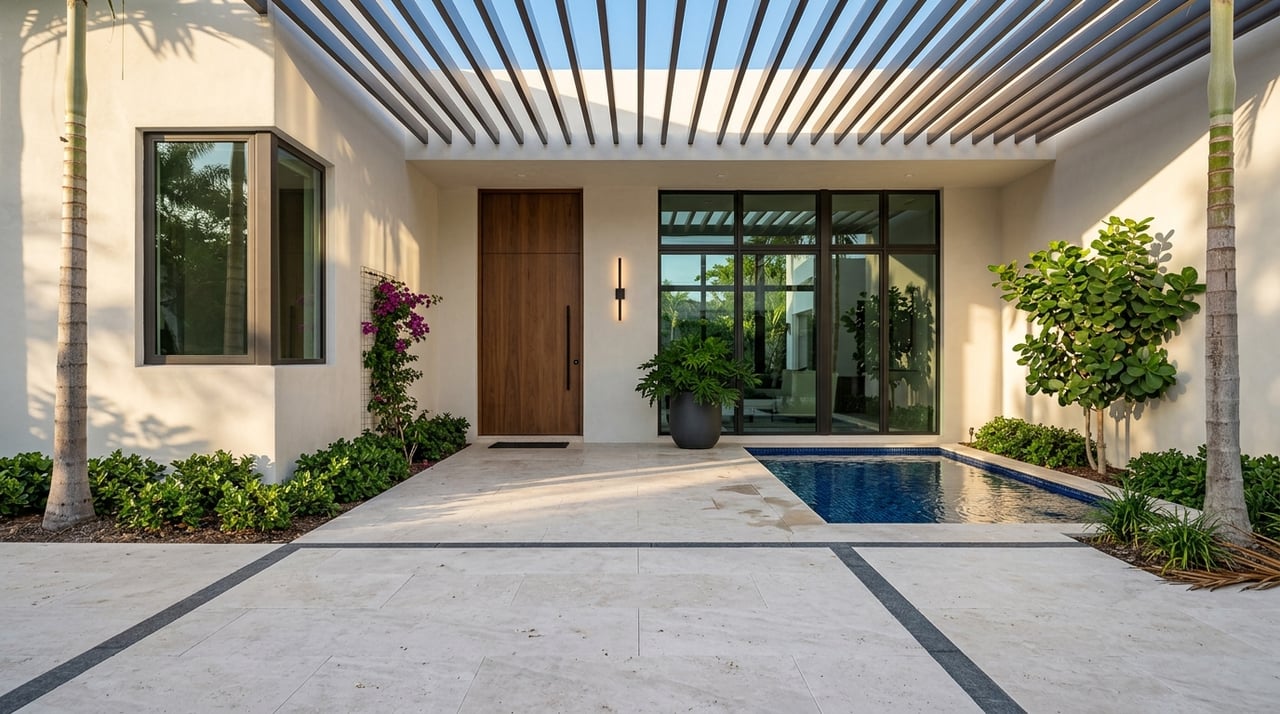
Are you looking for a Miami-area community that feels elegant, established, and easy to live in every day? Coral Gables stands out because it blends historic character with practical convenience, giving you tree-lined streets, landmark architecture, walkable dining, and strong luxury-market appeal in one place. If you are weighing a move, a second home, or a long-term real estate investment, understanding how Coral Gables actually lives is the key to making a smart decision. Let’s dive in.
What living in Coral Gables feels like
Coral Gables was planned in the 1920s with a clear identity, and that vision still shapes daily life today. The city describes itself through lush green avenues, plazas, fountains, and Mediterranean Revival architecture, which gives the area a polished look that feels distinct from many other parts of Miami-Dade.
That identity is not accidental or temporary. The city continues to reinforce its architectural character through design rules, including a Mediterranean-architecture bonus program, and more than 1,000 properties are listed on the Coral Gables Register of Historic Places. For you, that means the built environment tends to feel cohesive, intentional, and visually memorable.
Coral Gables also carries a global presence. The city says it is home to more than 20 consulates and foreign government offices and more than 140 multinational corporations, which adds to its international feel and broad appeal for buyers with cross-border ties.
Why the architecture matters
In Coral Gables, architecture is not just background scenery. It plays a major role in how the city feels, how neighborhoods present themselves, and how properties hold long-term lifestyle appeal.
Landmarks like City Hall, the Merrick House, the Douglas Entrance, the Venetian Pool, and the Biltmore Hotel reflect the city’s early vision and design ambition. The city’s landmarks page highlights coral-rock construction, Mediterranean Revival detailing, and tree-lined boulevards as defining features, which helps explain why Coral Gables often feels refined without feeling overbuilt.
For buyers who care about design, this can be a major draw. If you value character, proportion, and a strong sense of place, Coral Gables offers a setting that feels curated rather than generic.
Daily life in Coral Gables
One of Coral Gables’ biggest strengths is that it offers more than beautiful homes. The lifestyle includes walkable commercial areas, cultural institutions, outdoor leisure, and destination amenities that support both everyday routines and a higher-end pace of life.
Dining and shopping options
Miracle Mile is the city’s main walkable commercial corridor. The city describes it as a destination for dining, shopping, and entertainment, with international cuisines, independent retailers, sidewalks, outdoor cafés, and cultural programming.
Nearby, Giralda Plaza adds another pedestrian-friendly dining area with restaurants, bars, and coffee shops. If you prefer a more luxury retail setting, the Shops at Merrick Park offers an outdoor mall experience with boutiques, department stores, restaurants, a movie theater, and a gym.
For you, this means many daily outings can feel convenient and polished. You can go from coffee to lunch to evening plans without needing the high-rise intensity of a more urban core.
Arts and culture
Coral Gables also supports a strong cultural layer. The Coral Gables Museum focuses on the city’s planned-community history, while the Lowe Art Museum at the University of Miami, which opened in 1952, holds more than 19,000 objects and is recognized as South Florida’s first art museum.
That matters if you want a community with depth, not just curb appeal. The local lifestyle includes opportunities to engage with history, art, and civic identity in a way that enriches day-to-day living.
Parks and outdoor spaces
The city says Coral Gables has more than 60 parks and open spaces. That helps shape the area’s lower-rise, greener feel and supports a lifestyle centered on outdoor enjoyment rather than constant density.
The Venetian Pool remains one of the city’s signature attractions, while the Biltmore Hotel adds another major leisure element with dining, pool, tennis, golf, and spa facilities. Together, these features make Coral Gables feel polished and active, with a strong connection to open air and recreational space.
Getting around Coral Gables
For many buyers, convenience matters just as much as aesthetics. Coral Gables offers several transportation advantages that make it easier to move locally and connect to the rest of Miami.
Trolley and transit access
The city’s free trolley has operated since 2003 and averages more than 1 million passengers per year. It runs Monday through Saturday on the Ponce de Leon and Grand Avenue routes and connects riders to Douglas Road Metrorail, Metrobus, and the City of Miami Trolley.
Coral Gables is also served by the Metrorail Orange Line through the Douglas Road and University stations. According to Miami and Beaches, downtown Miami is about seven miles away and roughly 30 minutes by rail.
If you want a neighborhood that does not require complete dependence on a car, this is a meaningful advantage. It adds flexibility for commuting, dining out, and reaching key destinations across the county.
Airport convenience
Coral Gables also benefits from strong airport access. Official tourism guidance says the city is about five miles south of Miami International Airport by car.
Miami and Beaches notes that driving from MIA to Coral Gables typically takes about 20 minutes, while public transit can take roughly 45 to 60 minutes. For second-home owners, international buyers, and busy professionals, that level of access can make a real difference in daily ease and long-term usability.
Coral Gables real estate character
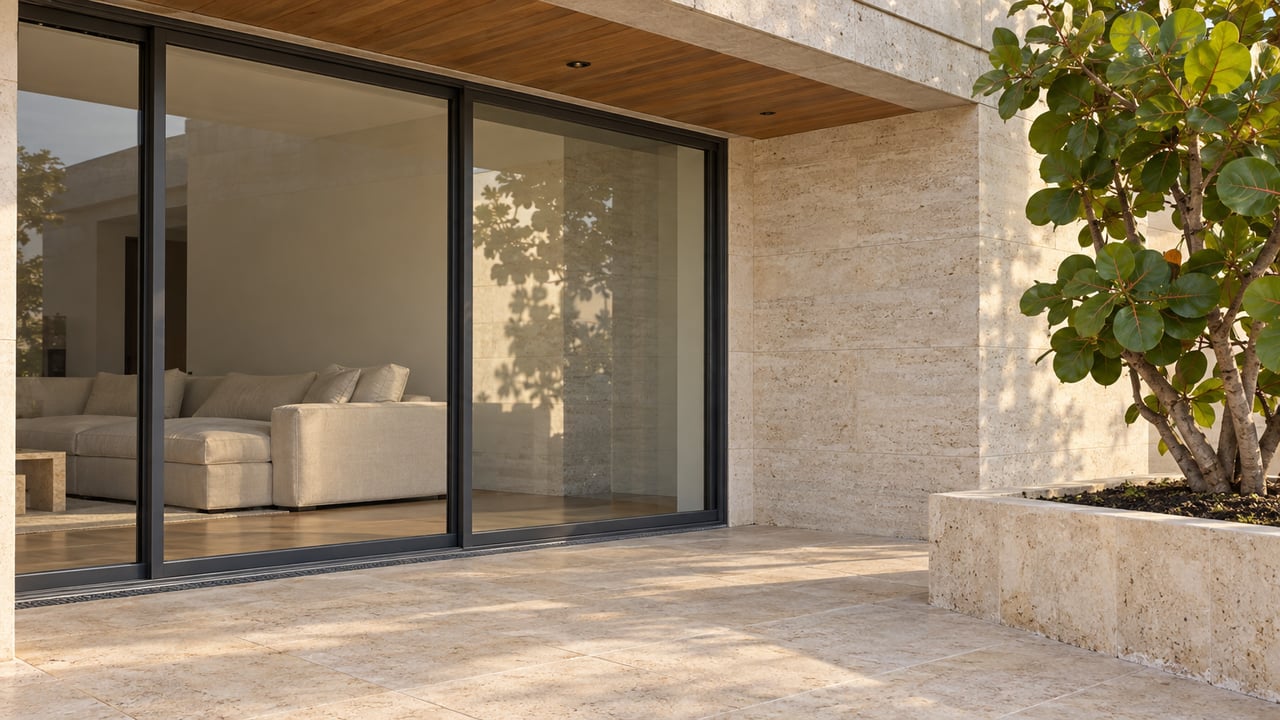
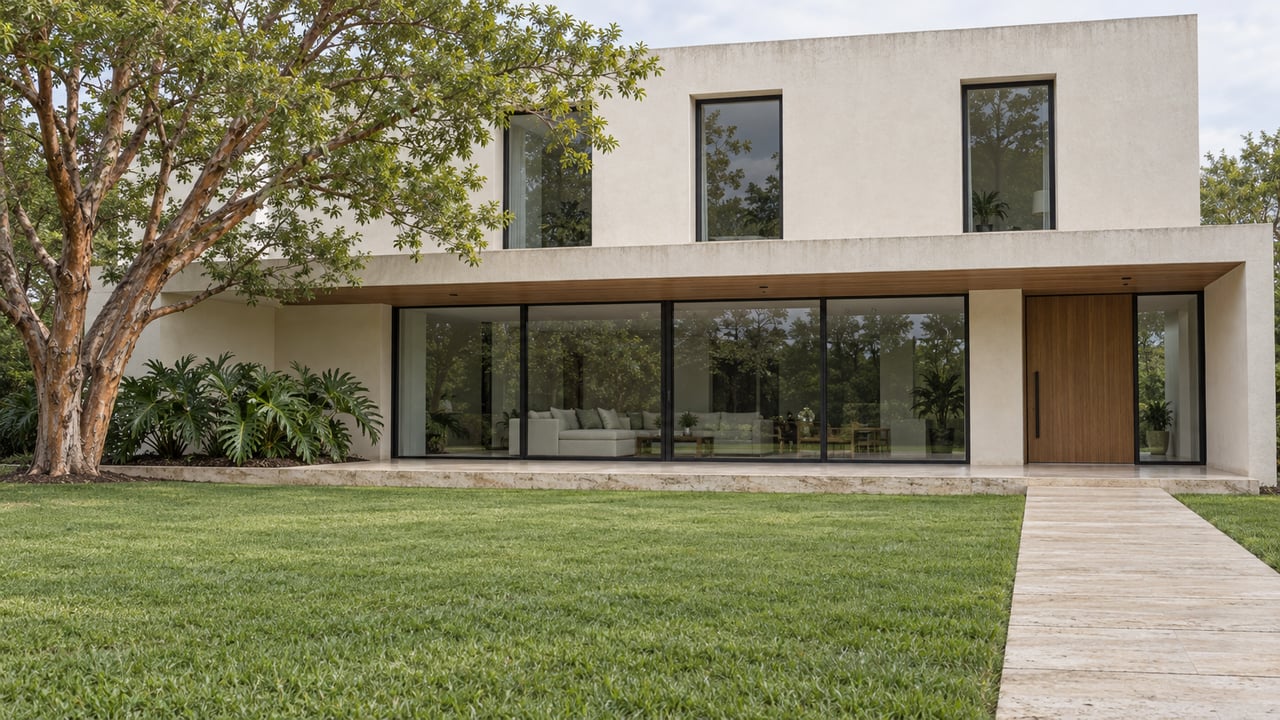
Coral Gables offers a housing mix that is more varied than many buyers first expect. The market includes historic single-family homes, larger estate properties, and a lower-rise condo and townhome component near downtown, Merrick Park, and transit corridors.
The city’s architectural program encourages Mediterranean-style multifamily and mixed-use development, which helps newer buildings fit the established streetscape. That creates a more cohesive visual experience and can make newer housing options feel more aligned with the city’s historic identity.
For you, that means Coral Gables can fit different goals, including:
- A design-focused primary residence with historic character
- A larger estate property in an established setting
- A lower-maintenance condo or townhome near amenities
- A second home with strong airport and transit access
- A property purchase tied to Miami’s international business environment
Coral Gables luxury market position
Coral Gables is not just desirable in a lifestyle sense. It also holds a clear position within Miami-Dade’s luxury market.
In MIAMI Realtors’ Q1 2026 report, Coral Gables’ single-family luxury threshold was $11.0 million, and its ultra-luxury threshold was $19.5 million. The same report noted a top transaction of $32.0 million, a median sales price of $2.0 million, 80 million-dollar sales, and an 89% million-dollar market share.
In a separate February 2026 MIAMI Realtors analysis, Coral Gables ranked among Miami-Dade’s top luxury markets based on $10 million-plus sales, with 22 such sales in 2025. MIAMI Realtors also identified Coral Gables as one of South Florida’s most expensive residential land markets at $433 per square foot.
These numbers help explain why Coral Gables continues to attract attention from luxury sellers, strategic buyers, and investors. The market sits at the intersection of limited character-rich inventory, strong design identity, and enduring demand.
Who Coral Gables may suit best
Coral Gables can appeal to different buyers for different reasons. Based on the city’s housing character, amenities, transit access, and international profile, it often stands out for people who want beauty and practicality in the same place.
You may find Coral Gables especially compelling if you are looking for:
- A luxury home in an established, low-rise setting
- Historic architecture and a more curated streetscape
- Walkable dining and shopping near home
- Easier access to the airport and broader Miami area
- A second home or part-time residence with everyday convenience
- A market with notable luxury sales activity and long-term prestige
It may also appeal to you if you want a neighborhood that feels more landscaped and architecture-forward than many urban cores, while still offering amenities and connectivity.
What makes Coral Gables distinct
Many communities can offer luxury. Fewer can offer a recognizable identity that shows up in the streets, landmarks, parks, and day-to-day experience.
That is where Coral Gables separates itself. It reads as upscale and intentional, with historic beauty, modern ease, and a level of civic character that is hard to replicate.
If you are buying or selling in a market like this, strategy matters. In Coral Gables, details such as architectural fit, property positioning, condition, design story, and buyer targeting can shape how a home is perceived and how strongly it performs.
For a private, data-informed approach to Coral Gables real estate, schedule a consultation with Katerina Bucciarelli.
FAQs
What is Coral Gables known for as a place to live?
- Coral Gables is known for its Mediterranean Revival architecture, tree-lined boulevards, historic landmarks, walkable commercial areas like Miracle Mile, and a polished low-rise lifestyle with more than 60 parks and open spaces.
How walkable is daily life in Coral Gables?
- Daily life in Coral Gables can be quite convenient, especially near Miracle Mile, Giralda Plaza, and downtown areas where dining, shopping, and entertainment are clustered in pedestrian-friendly settings.
How do you get around Coral Gables without driving everywhere?
- Coral Gables offers a free trolley that runs Monday through Saturday and connects with Douglas Road Metrorail, Metrobus, and the City of Miami Trolley, and the area is also served by Metrorail stations at Douglas Road and University.
How close is Coral Gables to Miami International Airport?
- Official tourism guidance says Coral Gables is about five miles south of Miami International Airport by car, and driving typically takes about 20 minutes.
What types of homes can you find in Coral Gables?
- Coral Gables includes historic single-family homes, larger estate properties, and lower-rise condos and townhomes, especially near downtown, Merrick Park, and transit corridors.
Is Coral Gables considered a luxury real estate market?
- Yes. MIAMI Realtors’ 2026 reporting places Coral Gables among Miami-Dade’s top luxury markets, with an $11.0 million single-family luxury threshold, a $19.5 million ultra-luxury threshold, and strong $10 million-plus sales activity.