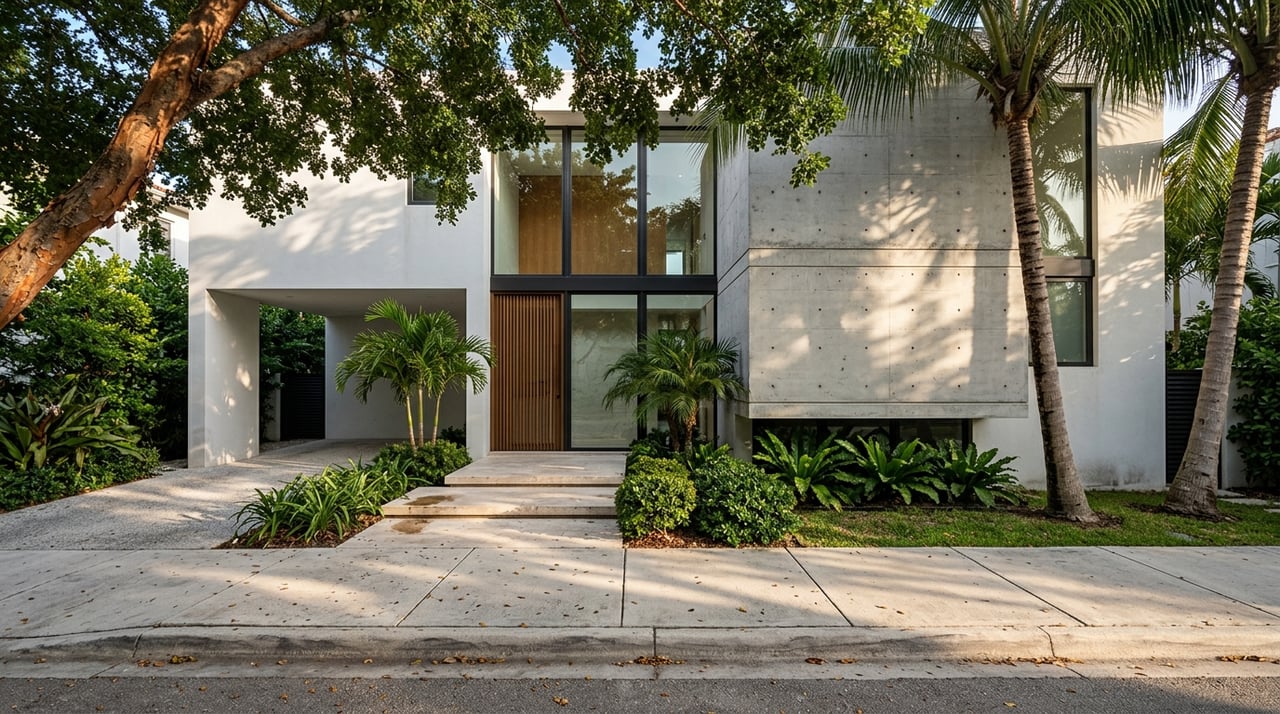
If you want a Miami neighborhood that feels both polished and deeply rooted, Coconut Grove stands apart. You are not just choosing a place on the map here. You are choosing a waterfront lifestyle shaped by shade trees, historic streets, walkable pockets of retail and dining, and a village feel that is increasingly rare in a major city. Whether you are considering a move, a second home, or a long-term investment, this guide will help you understand what living in Coconut Grove really looks like. Let’s dive in.
Why Coconut Grove Feels Different
Coconut Grove is widely known as one of Miami’s most distinctive neighborhoods, and the City of Miami describes it as the city’s oldest continuously inhabited neighborhood. Official neighborhood materials also highlight its lush vegetation, dense tree canopy, bay views, and compact village core, all of which help explain why the area feels more intimate than many other Miami neighborhoods.
That village identity is not just a branding idea. The historic center of the Grove sits around Grand Avenue, McFarlane Road, and Main Highway, where many landmarks are within walking distance of one another, according to the neighborhood’s historic walking map. For you as a resident, that means daily life can feel connected and local, even while you remain close to the broader energy of Miami.
A Waterfront Lifestyle With Green Space
One of the biggest draws of living in Coconut Grove is how closely the neighborhood connects you to Biscayne Bay. The bayfront is anchored by Dinner Key Marina, which the City of Miami describes as a 582-slip facility and Florida’s largest wet-slip marine facility. The adjacent mooring facility adds 225 offshore vessel moorings, reinforcing the area’s long-standing boating culture.
Even if you do not keep a boat, the water still shapes everyday life here. The Grove offers access to parks, bay breezes, and open views that give the neighborhood a calmer rhythm than many denser parts of the city.
Parks That Support Daily Living
Public green space is a major part of the Coconut Grove lifestyle. Peacock Park includes picnic tables, a baseball field, a playground, basketball, and after-school and camp programming, making it a practical amenity as well as a scenic one.
The city also lists David T. Kennedy Park, Alice Wainwright Park, Dinner Key Picnic Islands, and Coconut Grove Mini Park among nearby accessible green spaces. For residents, that mix supports everything from morning walks and outdoor exercise to casual weekend time near the bay.
Historic Outdoor Landmarks
Coconut Grove also blends outdoor living with local history. The Barnacle Historic State Park is home to the oldest house in Miami-Dade County still standing in its original location, built in 1891.
Farther north, Vizcaya Museum and Gardens adds another major cultural landmark to the area with a main house, 10 acres of gardens, and a historic village. Together, these places strengthen the Grove’s identity as a neighborhood where architecture, landscape, and waterfront setting all matter.
Dining, Shopping, and Local Energy
Coconut Grove does not feel like a purely residential enclave. It functions as a lifestyle district with a steady mix of restaurants, retail, wellness businesses, and public events. The Coconut Grove BID’s FY24-25 marketing report says the district partnered with more than 110 restaurants, retailers, and wellness providers, which gives you a sense of how active the local business core is.
For everyday living, that means you can enjoy a neighborhood rhythm built around walkable commercial streets, sidewalk cafés, and destination dining. Current dining listings from the BID include places such as Ariete, Greenstreet Cafe, and Bayshore Club, reflecting a range of options from neighborhood staples to well-known dining destinations.
A Calendar That Keeps Things Active
Events are another major part of what gives the Grove its identity. The BID reported 20+ signature events in FY24-25, with 38,000 attendees and 12 million media impressions. Its 2026 Arts Festival coverage also describes the Coconut Grove Arts Festival as a long-running annual draw that brings tens of thousands of visitors.
For you, the practical takeaway is simple: Coconut Grove tends to feel active and lived-in. There is a regular pulse of community programming and cultural activity that supports the area’s village atmosphere.
Housing Styles Across the Grove
Coconut Grove appeals to buyers because it offers a wider range of housing types than many people expect. City planning and conservation documents show a neighborhood shaped by preservation, landscape, and a mixed built form.
In many single-family sections, conservation rules are designed to preserve tree canopy, green space, historic structures, and architectural variety. These rules limit height, encourage permeable front yards and landscaping, and discourage repeated house plans on adjacent lots, according to the city’s conservation regulations.
What That Means for Buyers
If you are exploring the area, you will likely find several distinct housing experiences:
- Historic houses and bungalows in low-rise residential sections
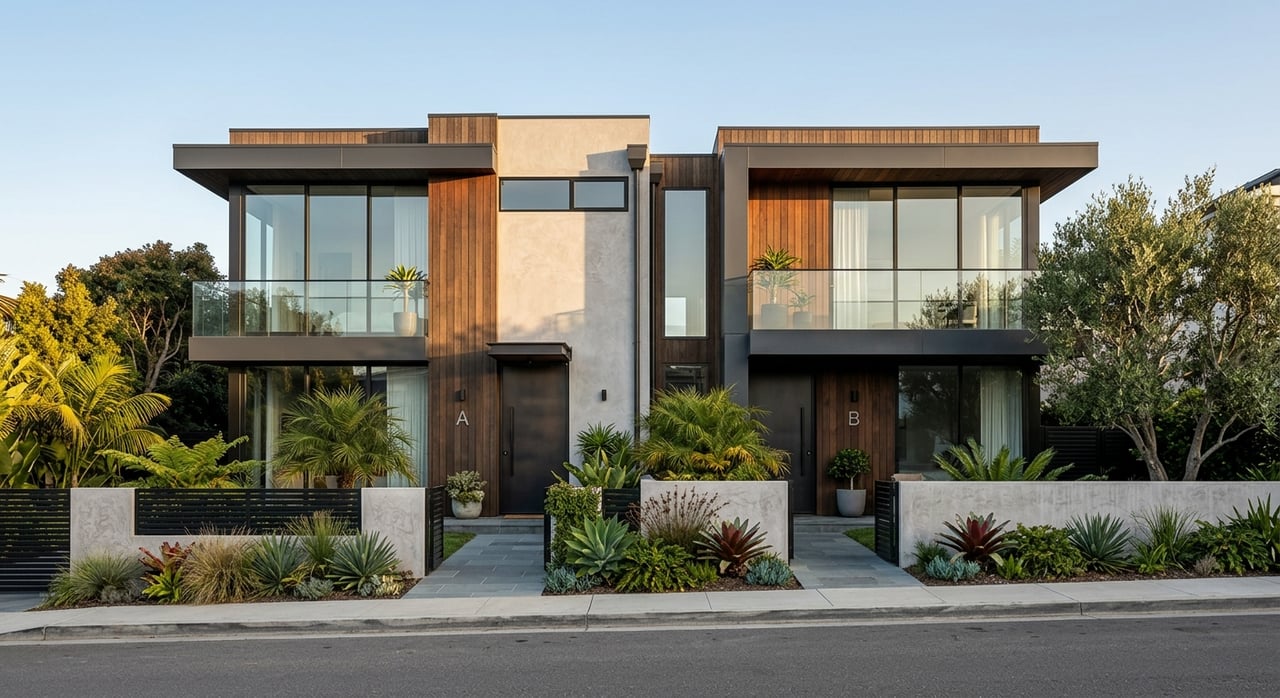
- Single-family homes with strong landscaping and canopy-oriented streetscapes
- Duplex, triplex, and multifamily options concentrated in Center Grove
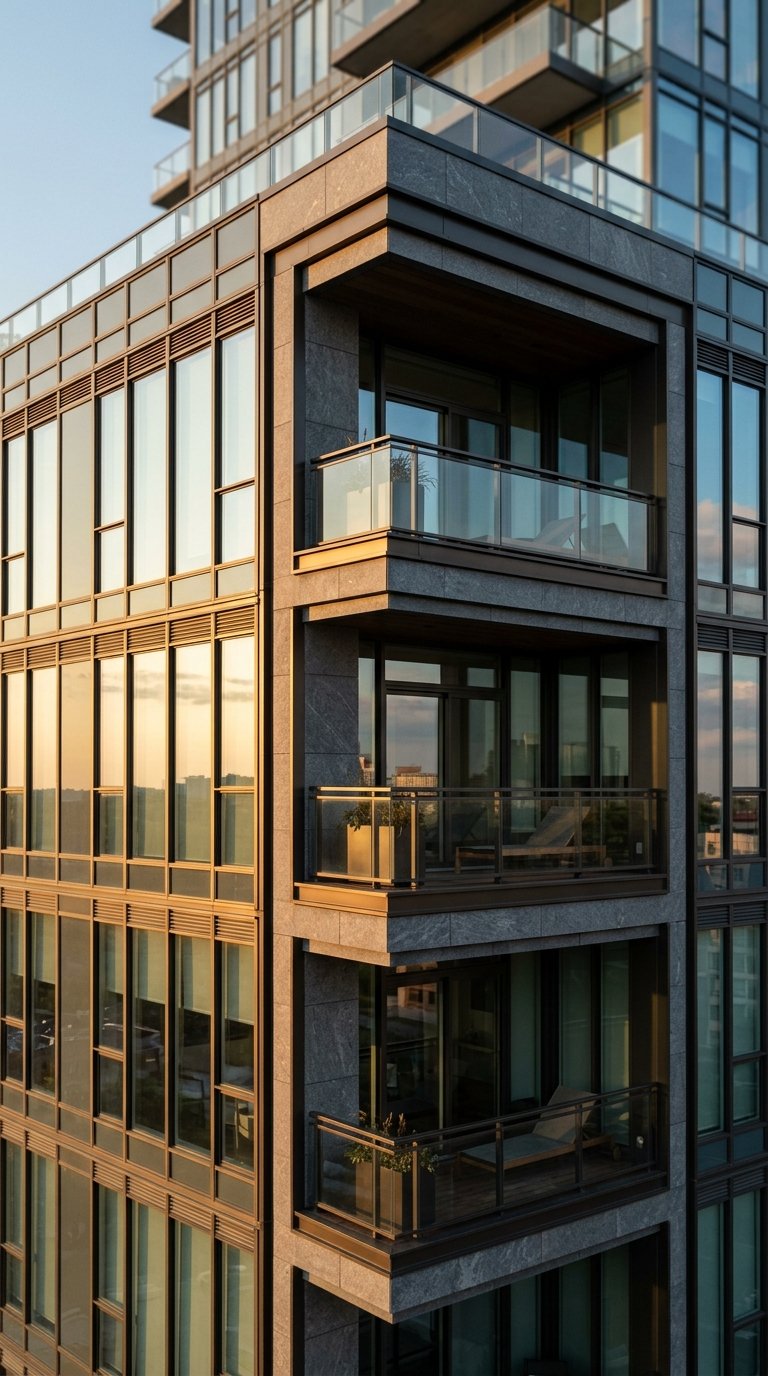
- Higher-end condos and waterfront residences closer to the bay
This variety is a big part of Coconut Grove’s appeal. You can find homes that feel tucked away and residential, as well as properties that place you closer to marinas, retail, and mixed-use activity.
West Grove and Local Character
Separate city planning materials describe West Grove as an area shaped by Caribbean migration and Bahamian influence. Those planning documents also illustrate bungalow and porch-oriented housing forms alongside historic public spaces.
That context matters because it shows how Coconut Grove is not one-note. It is a neighborhood with multiple layers of history and built form, which contributes to the character many buyers are trying to find when they focus on this part of Miami.
Schools and Education Options
For buyers who want to understand educational options in the area, Coconut Grove includes both public and private schools. According to the 2024-25 school dashboard, Coconut Grove Elementary School serves pre-K through 5th grade, holds an A grade, and offers programs including French, Spanish, world language, art, music, and gardening/botany.
Nearby George Washington Carver Middle School also shows an A grade and lists international studies options in French, German, Italian, and Spanish, along with a gifted center and extracurricular programming.
Private-school options are also part of the area’s landscape. Ransom Everglades School operates two Coconut Grove campuses for grades 6 through 12, enrolls 1,246 students, reports an 8:1 student-teacher ratio, and lists 2025-26 tuition at $54,820.
What the Market Suggests
From a real estate perspective, Coconut Grove is clearly positioned as a premium Miami neighborhood. Recent market snapshots vary by provider, but both indicate an upper-tier pricing environment.
Redfin’s Coconut Grove housing market data reports a recent median sale price of $1.95M, a median sale price per square foot of $883, and about 113 days on market. Realtor.com reports a $2.50M median home sale price, a $6.5K median rent, 357 active for-sale listings, and a balanced market.
For you as a buyer or owner, those numbers reinforce an important point. Coconut Grove is not only a lifestyle decision. It is also a market where property type, location within the neighborhood, lot characteristics, and presentation can have a meaningful impact on value.
Who Coconut Grove Often Appeals To
Coconut Grove can work well for several kinds of buyers because it offers more than one lifestyle path. You may be drawn to the area if you want:
- A walkable neighborhood core with dining and retail nearby
- Proximity to marinas, parks, and Biscayne Bay
- A property with architectural character and mature landscaping
- A mix of historic homes, newer residences, condos, and waterfront options
- A neighborhood that feels established, active, and distinct within Miami
That flexibility is one reason the Grove remains so compelling. It can appeal to primary residents, second-home buyers, and people who want a more layered neighborhood experience than a typical high-rise district provides.
Final Thoughts on Living in Coconut Grove
Living in Coconut Grove means stepping into a part of Miami that feels more rooted, more walkable, and more connected to the bay than many nearby neighborhoods. Its tree canopy, preserved character, active village core, parks, marinas, and broad housing mix all contribute to a lifestyle that feels both relaxed and refined.
If you are weighing a move, a purchase, or a strategic sale in Coconut Grove, local knowledge matters. Property value here is shaped not just by square footage, but by setting, streetscape, zoning context, and how a home fits into the neighborhood’s character. If you want a discreet, strategy-first perspective on Coconut Grove real estate, connect with Katerina Bucciarelli to schedule a private Real Estate Strategy Session.
FAQs
What is Coconut Grove known for in Miami?
- Coconut Grove is known for its historic identity, dense tree canopy, bayfront setting, village-style core, walkable streets, parks, marinas, and mix of dining, shopping, and cultural attractions.
What is the housing market like in Coconut Grove?
- Recent market data points to a premium market, with Redfin reporting a median sale price of $1.95M and Realtor.com reporting a median home sale price of $2.50M.
What types of homes can you find in Coconut Grove?
- You can find historic houses, bungalows, single-family homes, duplexes, triplexes, multifamily properties, higher-end condos, and waterfront residences, depending on the section of the neighborhood.
Are there parks and marinas in Coconut Grove?
- Yes. Coconut Grove includes access to Dinner Key Marina, Peacock Park, David T. Kennedy Park, Alice Wainwright Park, Dinner Key Picnic Islands, and other nearby public green spaces.
What schools serve Coconut Grove?
- Coconut Grove includes public school options such as Coconut Grove Elementary School and George Washington Carver Middle School, along with private-school options like Ransom Everglades School.
Is Coconut Grove walkable for daily living?
- The historic core around Grand Avenue, McFarlane Road, and Main Highway is known for having many landmarks and destinations within walking distance, which supports a village-style daily experience.